

Soccer Is More Than Running — It’s Thinking at Full Speed
- Dec 30, 2025
- 2 min read
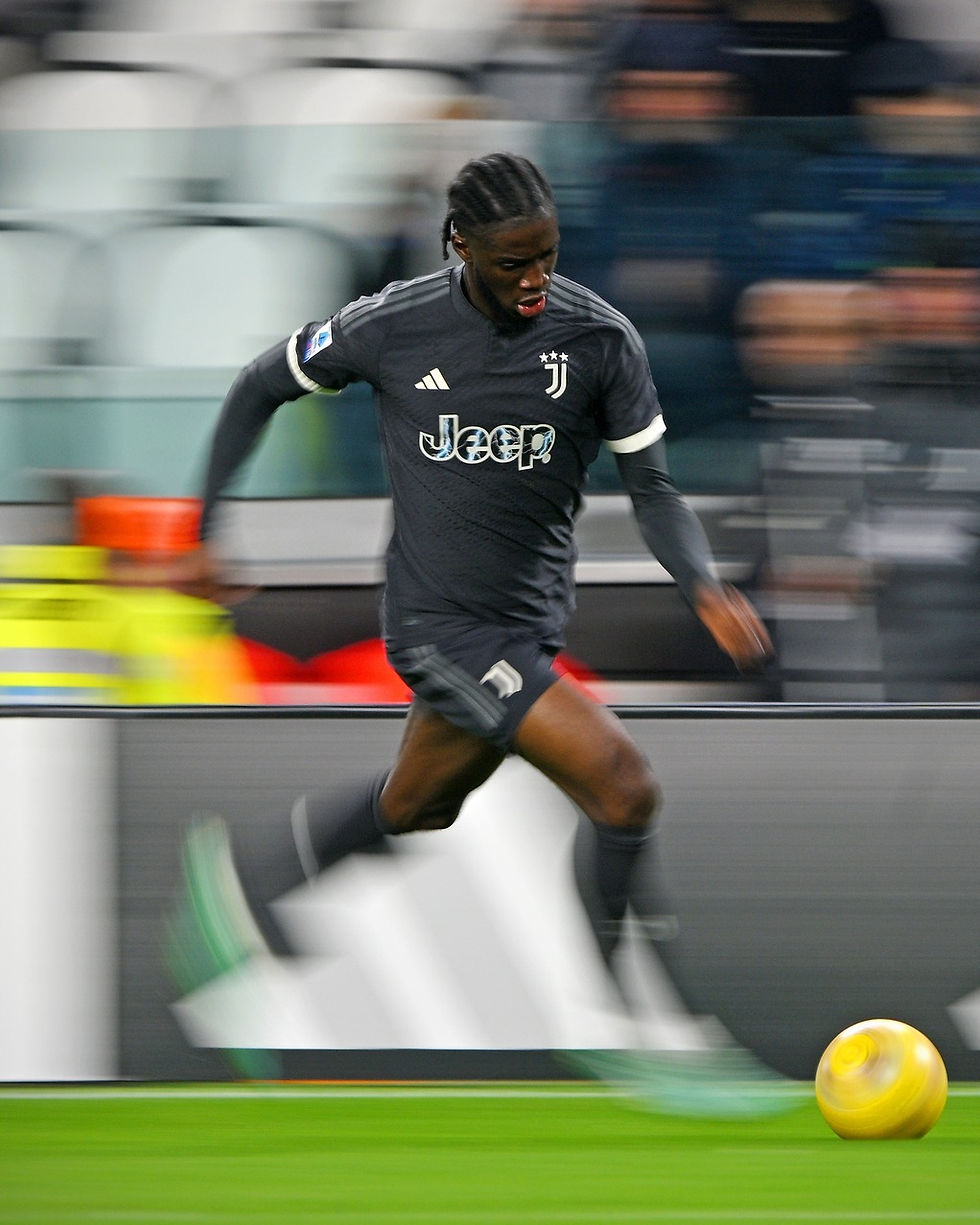
Every time a player steps onto the field, they train more than their legs. Soccer challenges endurance, intelligence, discipline, and mental strength in 90 minutes of nonstop decision-making. But how far do players really run—and what does that distance tell us about the game?
How Many Miles Does a Soccer Player Run in One Match?
Soccer is one of the most physically demanding sports in the world. Depending on their position, players can cover several miles in a single match, combining endurance, speed, and explosive movements.
🏃♂️ Average Distance Covered by Position (per match)
Box-to-Box Midfielder 11.5 – 13.0 km | 7.1 – 8.1 miles The engine of the team, covering both attacking and defensive zones.
Defensive Midfielder 10.5 – 11.5 km | 6.5 – 7.1 miles Less sprinting, but constant movement, positioning, and tactical adjustments.
Fullbacks / Wingbacks 10.0 – 11.5 km | 6.2 – 7.1 miles One of the most demanding roles, combining long runs with explosive sprints.
Wingers / Forwards 9.5 – 10.5 km | 5.9 – 6.5 miles Lower total distance, but the highest number of high-speed sprints.
Center Backs 8.5 – 9.5 km | 5.3 – 5.9 miles Short, powerful movements with constant awareness and marking.
Goalkeepers 4.0 – 6.0 km | 2.5 – 3.7 miles Lateral movements, quick reactions, and tactical positioning.
👉 Key takeaway: Soccer fitness isn’t about running the most—it’s about running smart, at the right moment, with the right purpose.
These numbers show that every position demands a different type of fitness. Success in soccer isn’t about who runs the farthest, but who understands when, where, and why to run. From explosive sprints to intelligent positioning, the modern game rewards players who combine physical conditioning with tactical awareness. True soccer fitness isn’t measured in miles alone—it’s measured in smart decisions.


Comments